What Is a Freehouse? And why it still matters today
Share:

- Posted on
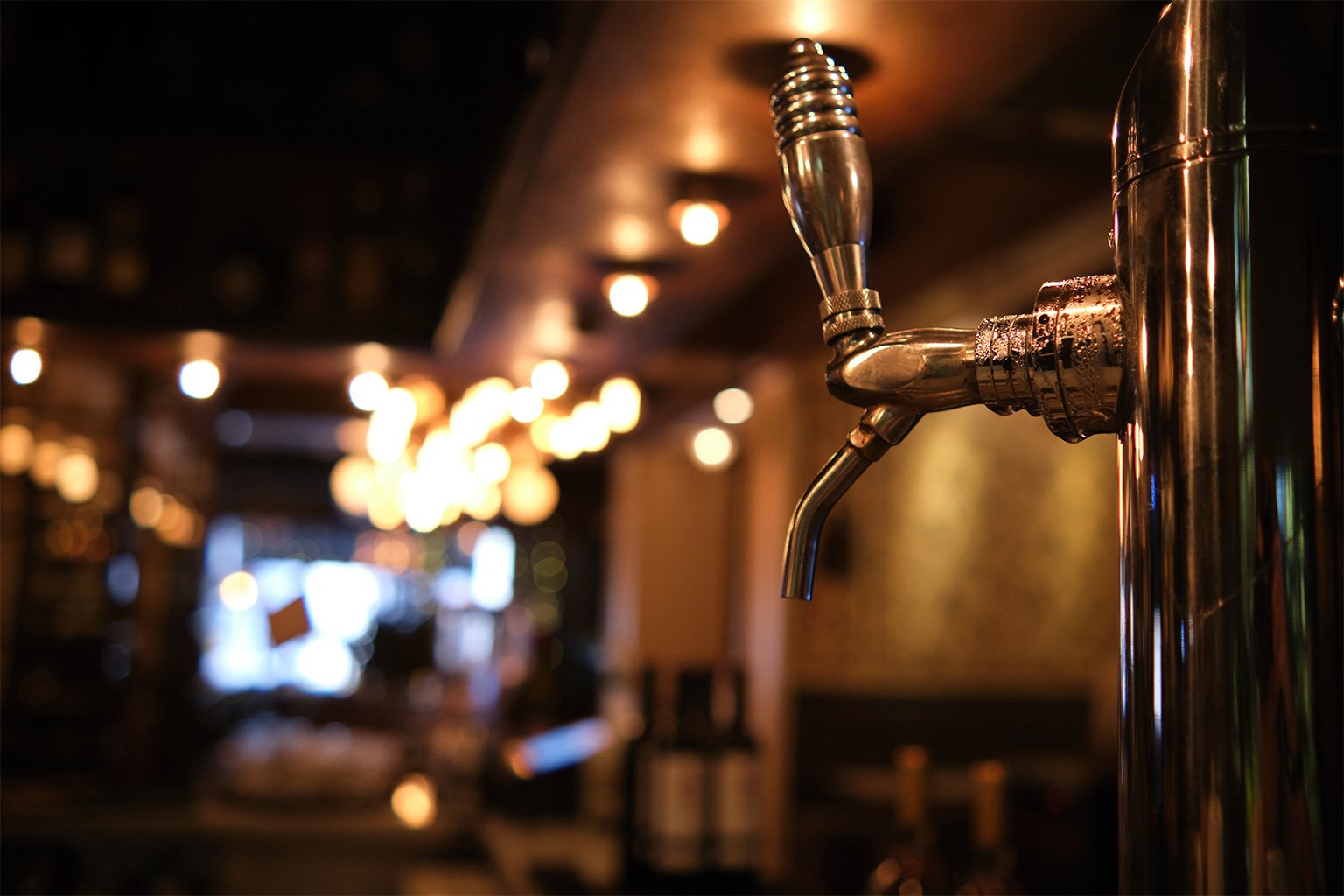

A word that carries more than meaning
There are words that explain.
And there are words that reveal.
“Freehouse” belongs to the second kind.
At first glance, it may seem like a technical term…something tied to licensing laws or the structure of the British pub industry. But beneath its surface lies something far more enduring: a philosophy of independence, a commitment to choice, and a quiet resistance to uniformity.
In a world where experiences are increasingly standardised – menus repeated across cities, interiors designed for replication, flavours engineered for predictability – the idea of a freehouse stands apart.
Not loudly. Not aggressively. But unmistakably.
It represents a different way of doing things. And more importantly, a different way of being.
What is a Freehouse? (the simple meaning)
In the United Kingdom, a freehouse is a pub that operates independently. Unlike tied houses – which are bound to a specific brewery and required to serve its products, a freehouse has the freedom to choose:
- which beers to pour
- which wines to serve
- which suppliers to trust
- and how to shape its menu
This independence allows for diversity, experimentation, and a more personal approach to hospitality. But definitions alone rarely tell the full story.
Because a freehouse is not just a business model.
It is a mindset.
Beyond definition: the meaning of freedom in hospitality
Freedom, in this context, is not about absence of structure.
It is about presence of intention.
A freehouse does not simply operate without restriction – it operates with deliberate choice.
Every decision becomes meaningful:
- which local fisherman to work with
- which seasonal ingredients to highlight
- which producers to support
- which atmosphere to create
There is no default setting. No inherited template. Only decisions – made consciously, repeatedly, and often quietly.
In this way, a freehouse becomes something rare in modern hospitality:
a place shaped not by obligation, but by character.
The modern landscape: why freehouses matter more than ever
Across the UK and beyond, the hospitality industry has undergone a profound transformation. Large groups and chains have brought efficiency, consistency, and recognisable branding. But with that consistency comes a certain flattening of experience. Menus begin to resemble one another. Spaces begin to feel familiar, regardless of location. The sense of place – once central to dining – begins to fade.
In contrast, the freehouse remains anchored in its surroundings.
It reflects:
- the landscape
- the community
- the rhythms of the seasons
- and the identity of those who shape it
This is why the concept of a freehouse in Cornwall carries particular resonance. Because Cornwall itself is not generic. It is elemental. Wild. Layered with history and shaped by the sea.
And places within it are expected to carry that same depth.
Cornwall: where independence is not a trend, but a tradition
Cornwall has long been defined by its relationship with the ocean.
Fishing, trade, storytelling, and survival – all tied to the shifting moods of the sea.
Here, independence was never a marketing concept. It was a necessity. Fishermen chose when to go out, what to bring back, and how to honour what the sea provided. Communities formed around shared knowledge, mutual respect, and an understanding that nothing was guaranteed.
In this environment, the idea of a freehouse feels less like a modern innovation and more like a continuation of something older.
Something quieter.
Something rooted.
The spirit behind the name: freedom as a living presence
There is, in Cornish folklore, a figure known as the Bucca.
A presence associated with the sea.
Sometimes protective.
Sometimes unpredictable.
Always beyond control.
The Bucca was not something to be owned or defined.
It was something to be respected.
Offerings were left.
Acknowledgement was given.
And in return, there was a sense – not of certainty – but of balance.
In many ways, this echoes the philosophy of the freehouse.
Not controlled.
Not standardised.
Not reduced to a formula.
But responsive.
Attentive.
And quietly alive.
Choice as craft: the invisible work behind independence
From the outside, a freehouse may appear effortless. A carefully curated menu. A selection of drinks that feels considered rather than extensive. A space that holds together without trying too hard.
But beneath that simplicity lies a different kind of labour. Not industrial. Not automated. But attentive.
It is found in:
- conversations with local suppliers
- early morning deliveries
- seasonal adjustments
- constant refinement
There is no central system dictating these choices. No external framework enforcing consistency. Only a series of decisions – each one shaping the experience in subtle ways. And over time, those decisions accumulate into something recognisable. Not a brand in the traditional sense. But a presence.
Independent by design: the freehouse as a cultural statement
To remain independent today is not the easiest path. It requires:
- flexibility
- resilience
- and a willingness to stand apart
But it also allows for something that cannot be replicated at scale:
authenticity that is not constructed, but lived
A freehouse does not need to simulate uniqueness. It does not need to create narratives to justify itself. Its story is already there – in the way it operates, in the relationships it builds, and in the choices it makes daily.
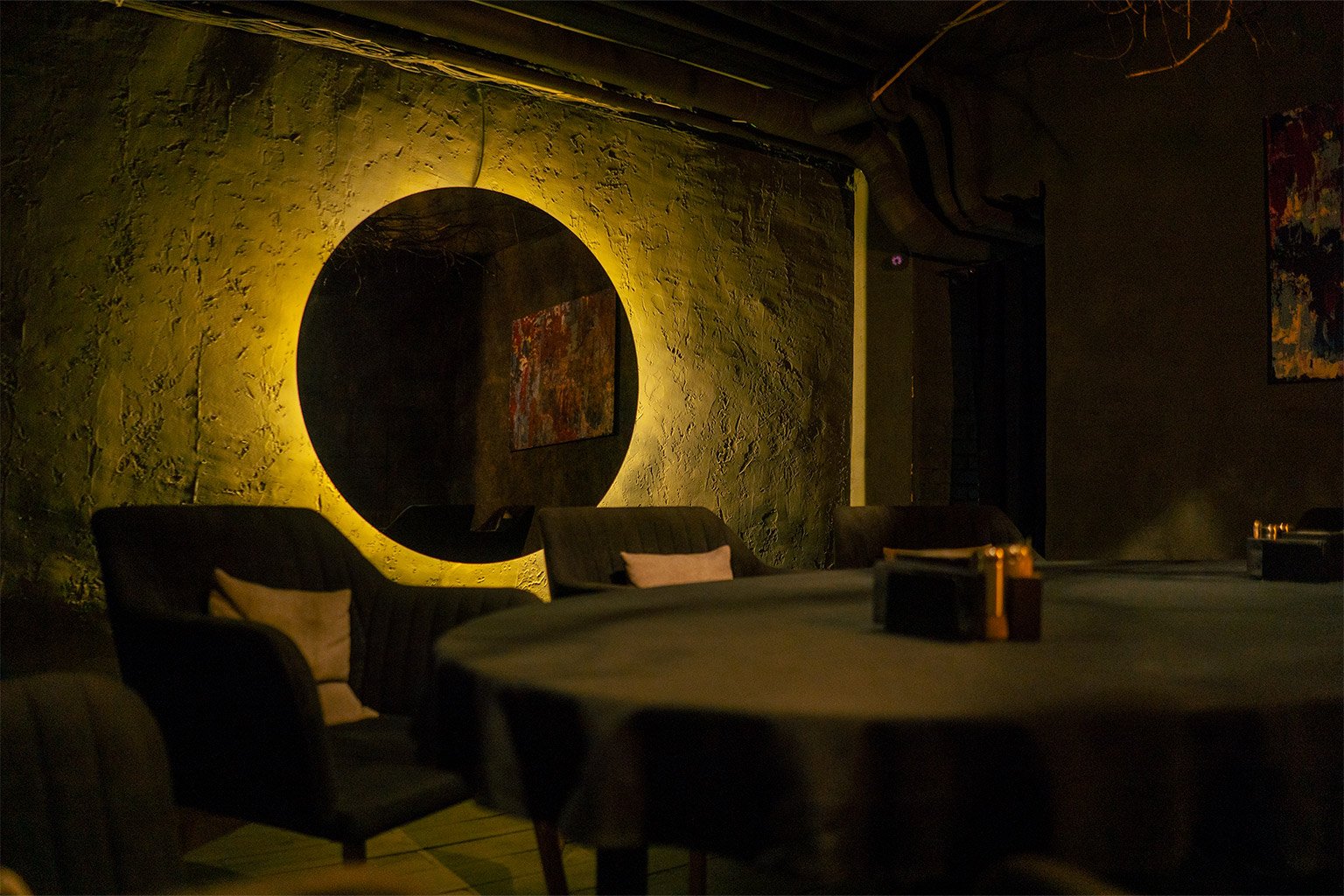
BUCCA MOR FREEHOUSE: a contemporary expression of an old idea
Within this landscape, the idea of a freehouse finds a natural home. Not as a label. But as a foundation.
At BUCCA MOR, independence is not presented as a concept.
It is embedded in the way things are done.
In:
- the selection of ingredients
- the relationships with producers
- the evolving nature of the menu
- and the atmosphere of the space itself
There is no attempt to replicate a known formula. No desire to fit within an established category. Instead, there is a commitment to something quieter:
- to listen
- to respond
- and to shape the experience accordingly
The future of hospitality: returning to what matters
As the industry continues to evolve, there is a growing recognition that people are seeking something beyond efficiency. They are looking for: connection, meaning and a sense of place.
Freehouses, by their nature, are positioned to offer this. Not because they follow trends. But because they operate from a different starting point.
One that values:
- independence over uniformity
- relationships over systems
- and presence over performance
Freedom, quietly practised.
A freehouse is not defined by what it avoids. It is defined by what it chooses. And those choices – often unseen, often understated – shape everything that follows. In the end, freedom in hospitality is not a statement. It is a practice. Repeated daily. Refined over time. And felt most clearly not in what is said – but in what is experienced.